





The impact of wearable technology on Digital Healthcare today
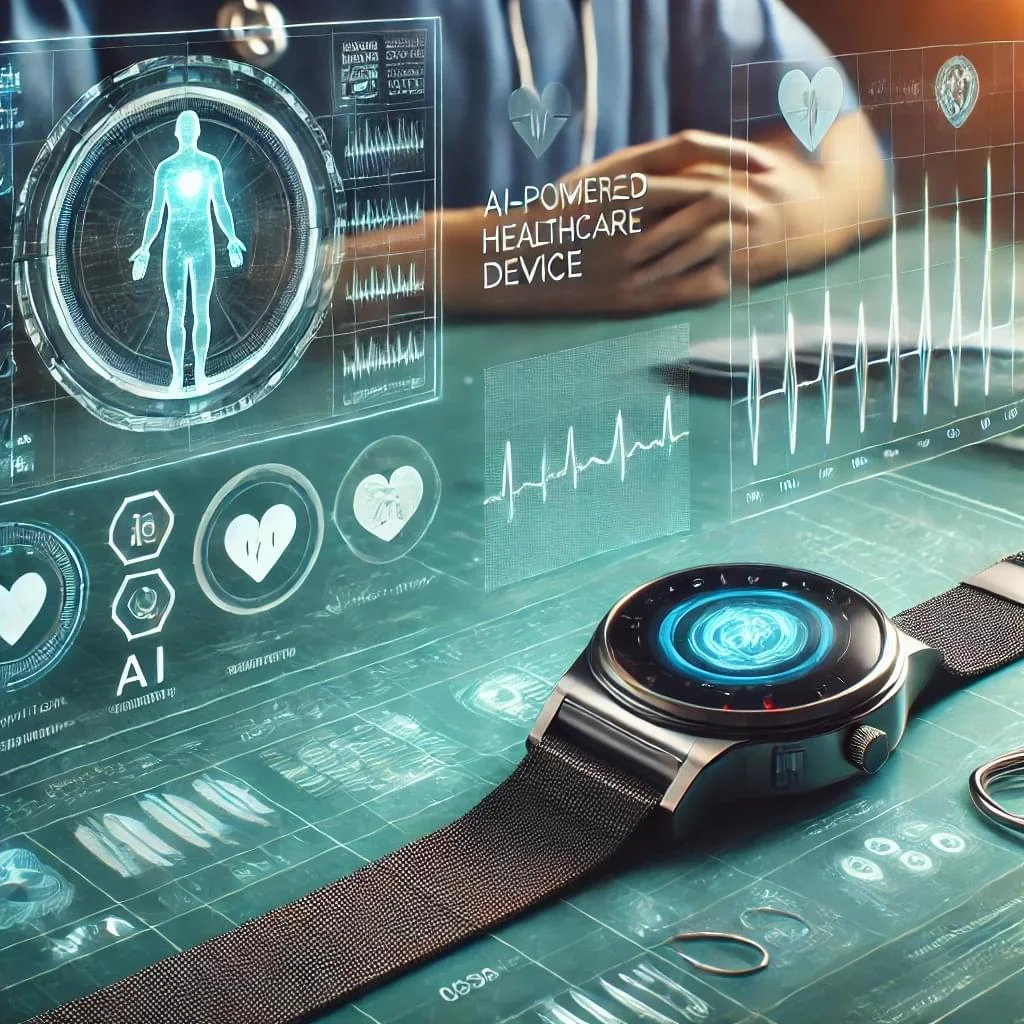
Discover the impact of wearable technology on digital healthcare, enhancing prevention, fitness, remote monitoring, and daily well-being.
The influence of wearable technology on the digital health landscape today.
Wearable technology has unobtrusively emerged as one of the largest influences in today’s health care sector. What used to be just step counters has evolved into devices capable of monitoring heart rhythms, sleep cycles, activity levels and even providing clinical grade readings in some instances. The change is providing patients with greater control over their health and providing clinicians with a more complete and ongoing view of their patients.
Digital health continues to proceed at a rapid pace and wearables are at the heart of it all, providing real-time health data and encouraging patients to make healthier lifestyle choices.
So What is a Wearable Health Device?
A wearable health device is any electronic gadget designed to collect information regarding the physical state of a user and worn on the body.
Familiar examples include:
• Smartwatches
• Fitness bands
• Smart rings
• Continuous glucose monitors
• Wearable ECG monitors
• Sleep-tracking devices
Depending on the model, these gadgets can monitor such objects as:
- Heart rate
- Steps and activity level.
- Sleep quality
- Blood oxygen saturation
- Stress signals
- Calorie burn
- Workout performance
The other specialty category of wearables are those used clinically for remote patient monitoring (RPM):
How Wearables are Revolutionizing Health Care
1. Enhancing Accessibility of Care at the Point of Need
Possibly the most important impact of the wearables is to shift healthcare from reactive to proactive.
People can monitor important metrics on an ongoing basis and identify troubling trends early, including:
• A drop in activity levels
• Disrupted sleep
• An increased resting heart rate
• Growing stress signals
By identifying the trends at an early stage, people can make lifestyle changes before a small issue becomes a bigger issue.
3. Providing Power to Remote Patient Monitoring
Wearables are now a major element of remote monitoring initiatives, enabling providers to monitor patients without having to visit them on a regular basis.
This is particularly valuable for:
- Elderly patients
- Individuals with chronic diseases
- Patients who are recuperating at home.
- People in rural or remote areas
This can lead to improved access to care and reduced unproductive clinic visits.are and fewer unnecessary trips to the clinic.
3. Reinforcement of Healthy Daily Habits
Consider wearables to be a health partner that doesn’t end its shift at work.
They influence people to: •
- Stay active all day long
- Try to follow the exercise programs.
- Develop improved sleep habits
- Stay on top of hydration
- Use the mind to overcome worries and fears
The result is a significant and sustained shift over time, through the small nudges.
4.Promoting Fitness and Wellness Monitoring
The most frequent purchase of a wearable is for fitness tracking.
The devices of today can be broken down into:
• Distance walked
• Running pace
• Cycling metrics
• Heart rate zones
• Workout intensity
• Recovery time
For many people, it’s that continuous interaction that keeps them engaged and on track.
Wearables and Chronic Disease Management: A mHealth Solution for the Digital Health Age

Wearable technology is growing more important in the care of chronic conditions, such as:
- Continuous glucose monitoring for diabetes is one of these applications.
- Heart rhythm disturbances, using an ECG device that can be worn at home and is capable of detecting heart rhythm abnormalities
- Cardiovascular risk – activity tracking is continuous in nature
With this in mind, however, wearables are not a substitute for care, unless the device has been approved for medical diagnostic applications. Any actual health care worry still needs to be seen by a health care professional.al medical concern still belongs in front of a healthcare professional.
The significance of wearables in digital health care

Sharper Health Awareness
Users have a better and continuous picture of their own habits and patterns.
Everyday Convenience
Health information is typically at your fingertips, in your phone or companion app.
Personalized Insights
The data is unique to the individual so it can be used to inform more personalized lifestyle choices.
Stronger Patient Engagement
Self-monitoring is associated with greater engagement in health.
Wider Healthcare Access
Using remote monitoring can help provide care to those who would otherwise have a hard time accessing it.
Wearables: Where They Lack.
Accuracy Isn’t Universal
There are not many wearables that are designed or certified for medical precision.
The fact of privacy is very serious.
Health data is sensitive, and its storage and sharing are important.
The cost of the medication may be an obstacle
The more sophisticated the device, the more expensive it is – sometimes not affordable for some users.
Risk of Over-Dependence
The wearable should assist in making good healthcare decisions, not supplant the judgment of a healthcare provider.A wearable should support good healthcare decisions, not replace the judgment of a medical professional.
The future of Wearable Health Tech
Digital healthcare is moving toward more connected, more personal, with innovations such as:
- Deeper AI integration
- More advanced remote monitoring capabilities
- Predictive health analytics
- Next-generation sensors
- Smart fabrics and clothing technology
- Digital therapeutics
Wearables will play an even larger role in preventing, patient-centric medicine as these tools become more refined.
Not all wearables are made or calibrated to be medically accurate.
Increasingly, wearable technology is becoming part of the way patients and clinicians deal with chronic conditions such as:
- Diabetes, using Continuous Glucose Monitoring (CGM)
- Irregularities in the heart rhythm, by using specialized devices that can be worn on the body and record an ECG
- Ongoing activity tracking, providing cardiovascular risk
However, wearables can be used in conjunction with care, but not in lieu of care, unless the device is specifically approved for medical diagnostic use. If there is a genuine health issue, it remains a medical issue, and belongs in front of the health care provider.
The importance of wearables in electronic healthcare
Sharper Health Awareness
Users gain a better and continuous understanding of their own behaviors and habits.
Everyday Convenience
Health data is typically a short look away – in a cell phone or a companion app.
Personalized Insights
The data is person-specific and can help inform more personalized lifestyle choices.
Stronger Patient Engagement
Those monitoring their own statistics will be more active in their health.
Wider Healthcare Access
Services that can be monitored remotely can reach out to the people who would otherwise not have access to them.
The downsides of wearables
Accuracy Isn’t Universal
Not all wearables are made or validated for medical-grade accuracy.
The fact that privacy is a reality is not enough.
Health data is sensitive and the way it’s stored and shared is important.
The cost of a product can be a real obstacle.
Advanced devices are more expensive and thus may not be available to all users.The more advanced the device, the higher the cost — often out of reach for some users.
Risk of Over-Dependence
A wearable should be used to help make good health care decisions, not to replace the assessment of a health care provider.
The future of Wearable Health Tech
Digital healthcare is veering more and more towards a ‘connected, more personal’ form that includes advances such as:
- Deeper AI integration
- More advanced remote monitoring capabilities
- Predictive health analytics
- Next-generation sensors
- Fabric or Clothing Technology – smart fabric and clothing technology
- Digital therapeutics
As these tools further develop, wearables will most likely be an even larger component of patient-centered and preventative medicine.ature, wearables are likely to take on an even bigger role in preventive, patient-centered medicine.
Internal Links
External Resources
For further reading, readers may want to check:
- World Health Organization (WHO)
- National Institutes of Health (NIH)
- U.S. Food and Drug Administration (FDA)
Wrapping Up
Wearables are transforming digital health and empowering patients to take control of their health. Whether it’s for daily fitness monitoring or for remote clinical monitoring, they’re helping to bridge the gap between everyday choices and formal medical care.
They are best used, however, along with a professional treatment and healthy lifestyle, and not as an alternative to either. With the technology still in its infancy, wearables are poised to become an even more integral aspect of preventive, personalized medicine.
Frequently Asked Questions (FAQs)
Disclaimer: This article is for general information and should not be used as medical advice. Seek advice from a medical professional for any medical issues or treatments.

Health & Wellness Writer | Research-Informed Health Content Creator
A.K.M. Monjurul Hoque is a health and wellness writer specializing in health, beauty, fitness, nutrition and healthy living. His content is informed by health journals, books, seminars, training programs, and discussions with experienced healthcare professionals. He writes clear, practical and research-informed articles for general education and encourages readers to seek personalized advice from qualified medical professionals.