




A complete guide to using cold for pain relief and healing
Disclaimer: This article is not medical advice, it is intended for informational purposes only. Before beginning treatment, always check with your health care provider, particularly if you have other medical conditions.
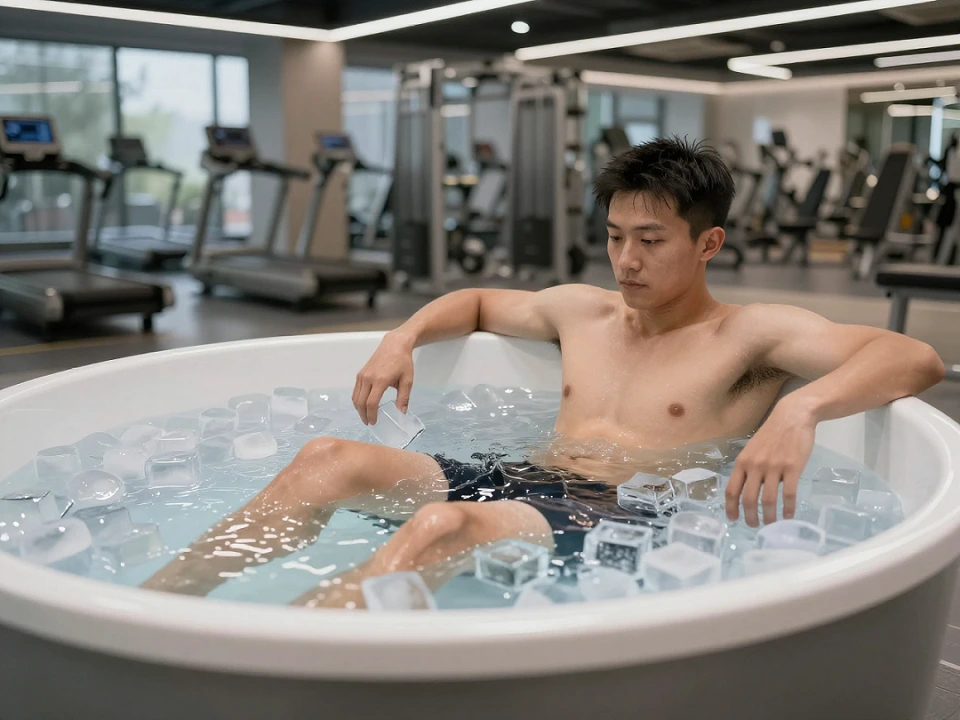
Cryotherapy, or cold therapy as it is scientifically referred to, is a popular recovery technique for treating injuries, inflammatory conditions and improving physical performance. Many people, from professional athletes to fitness enthusiasts, have been using the healing and anti-inflammatory effects of low temperatures to help them recover from pain.
How Cold Therapy Works
The basic principle behind the use of cold therapy is that it constricts blood vessels, thereby reducing the metabolic activity of the area. This physiological response helps in:
- Numbing Nerve Endings: Keeping the pain signals from reaching the brain.
- Reducing Inflammation: Limiting fluid build-up and swelling around an injury.
- Easing Muscle Spasms: Cold exposure helps to relax muscles.
The main benefits of cryotherapy are:
1. Effective Pain Management
For acute injuries like sprains, strains and minor burns, cold therapy is very effective. It numbs the region, giving quick discomfort reduction.
Pro-Tip: Always apply ice-packs for 15-20 minutes only and make sure you have a cloth on to protect your skin from frostbite.
2. Reduces Inflammation and Swelling
Swelling is a normal response to injury, yet excessive swelling can slow down the healing process. Cold therapy reduces circulation to the affected area and can help prevent further damage to the tissue, as well as shorten recovery time.
3. Accelerated Muscle Recovery
Cold therapy is a game-changer for people who participate in high-intensity workouts. It helps to remove metabolic waste products like lactic acid, and prevents muscle fatigue, helping to get you back into your training sooner.
Various methods of cold therapy are available
| Method | Use the entire grid | Use also when the player is able to focus on an opponent |
|---|---|---|
| Ice Packs | Localized injuries/bruises | Ice Packs – 15-20 minutes max; wrap in a towel. |
| Cold Water Immersion | Full-body muscle recovery | Maintain 10°C – 15°C; 10-15 min max |
| Cryotherapy Chambers | Advanced Athletic Recovery | Recovery Must be supervised by professionals. |
Essential Safety Precautions

Cold therapy is good, but can be dangerous if the treatment is not used correctly. To keep you safe:
- Never put ice directly on the skin to avoid frostbite.
- Monitor Circulation: People with diabetes, Raynaud’s disease or poor circulation should check with a physician prior to use.
- Pay Attention to Skin Health: If you experience tingling or numbness that doesn’t subside or if the skin changes color, discontinue the therapy and consult with a medical professional.
Common questions and answers (FAQs).
Internal Links
External Links
Conclusion
Cold therapy is one of the simplest and most powerful means of helping the body recover physically and relieving pain. With a well-balanced lifestyle and professional guidance, you can take your wellness journey to new heights! Don’t forget to listen to your body and play it safe.

Health & Wellness Writer | Research-Informed Health Content Creator
A.K.M. Monjurul Hoque is a health and wellness writer specializing in health, beauty, fitness, nutrition and healthy living. His content is informed by health journals, books, seminars, training programs, and discussions with experienced healthcare professionals. He writes clear, practical and research-informed articles for general education and encourages readers to seek personalized advice from qualified medical professionals.
Health & Wellness Writer | Research-Informed Health Content Creator
A.K.M. Monjurul Hoque is a health and wellness writer specializing in health, beauty, fitness, nutrition and healthy living. His content is informed by health journals, books, seminars, training programs, and discussions with experienced healthcare professionals. He writes clear, practical and research-informed articles for general education and encourages readers to seek personalized advice from qualified medical professionals.