





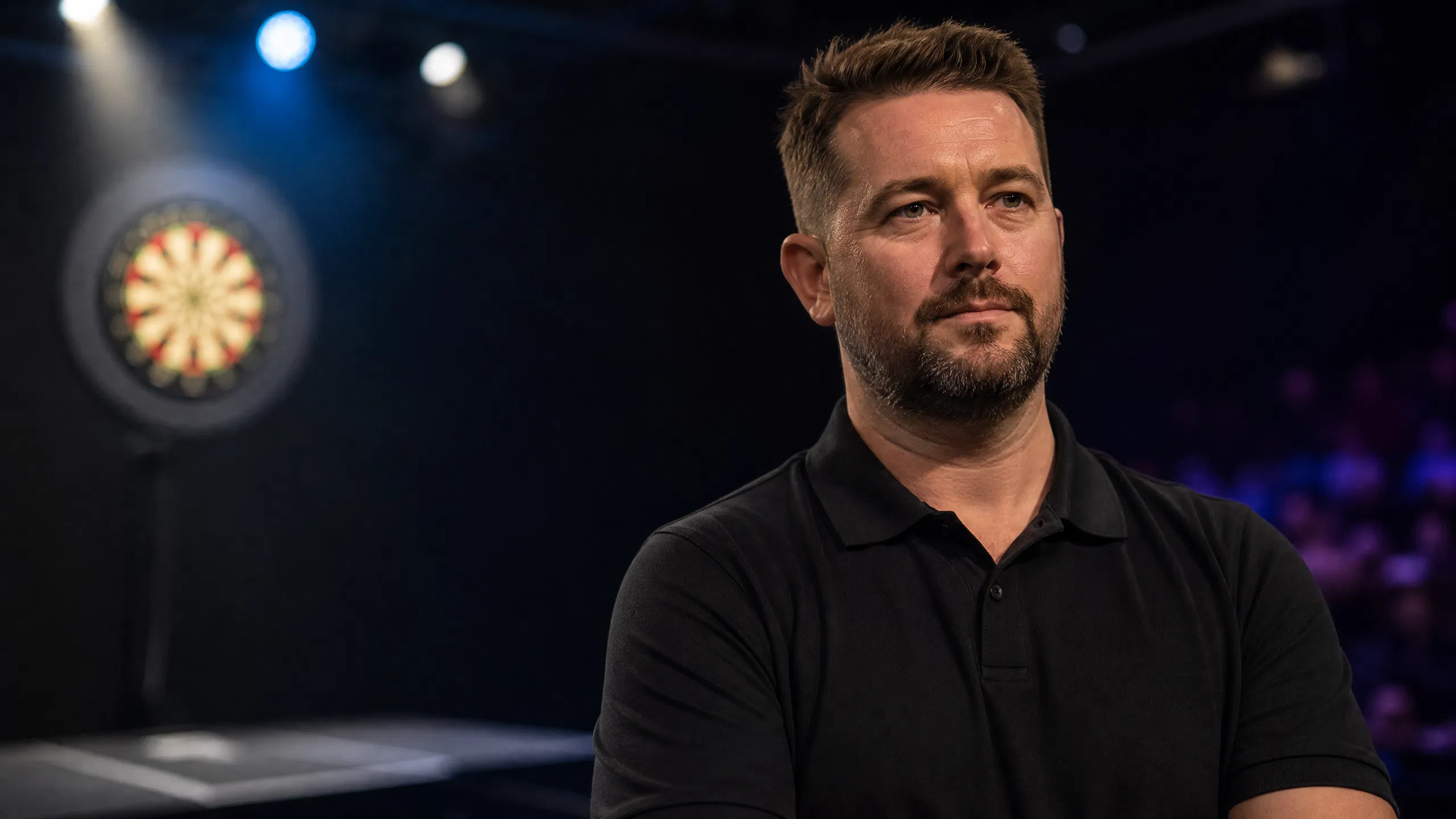
James Wade on Bipolar Disorder, ADHD, and Finding Relief Through Understanding
Professional darts player James Wade explains why his bipolar and ADHD diagnoses brought relief, helped him understand his past, and inspired his mental-health advocacy.
For years, James Wade felt different without fully understanding why. Social situations could be difficult, emotions could feel overwhelming, and experiences that seemed ordinary for other people often left him unsure how to respond.
A diagnosis did not erase those struggles. It gave them context.
The professional darts player has spoken openly about being diagnosed with bipolar disorder and attention deficit hyperactivity disorder, or ADHD, in adulthood. In an interview with the BBC, Wade described the diagnosis as a relief because it helped explain challenges he had carried for much of his life.
A Name for What He Had Been Experiencing
Before his diagnosis, Wade said he often struggled to fit into social groups and did not always know how to handle certain situations. Those experiences can be isolating, especially when a person believes they are simply failing to cope.
A diagnosis can offer a different perspective. It does not define someone, and it does not explain every part of their personality. But it can help a person recognize patterns, seek appropriate care, and find strategies that make daily life more manageable.
Bipolar disorder can involve significant changes in mood, energy, activity, concentration, and the ability to carry out everyday tasks. The experience varies widely from person to person. ADHD can affect attention, impulse control, organization, and emotional regulation. Only a qualified clinician can assess and diagnose these conditions.
From Personal Experience to Public Advocacy
Wade has used his visibility in professional darts to support Bipolar UK, where he serves as an ambassador. The charity provides information, support, and resources for people affected by bipolar disorder and for their families.
His involvement reflects a belief that better understanding can change the way people view mental illness. Instead of treating a diagnosis as a personal failure, society can see it as a starting point for support and practical care.
Wade has also spoken about wanting to devote more time to the charity after his darts career. His goal is to raise awareness and help create a clearer path for people who are struggling to find answers or support.
The Privilege of Access to Care
Wade has acknowledged that he was fortunate to have the financial means to access private healthcare when he needed help. Many people do not have that option. Waiting lists, cost, limited services, and fear of judgment can all delay assessment and treatment.
That part of his story matters. Awareness is important, but awareness alone is not enough. People also need affordable services, well-informed professionals, and support that is available before a crisis develops.
Finding Healthy Ways to Cope
Wade has described working on cars as one of the activities that helps him reset. There is something satisfying about taking a complicated or broken object and gradually making it work again. Fishing has offered another way to step away from pressure, although family life means he has less time for it than before.
These activities are not presented as cures. They are personal coping tools—ways of creating space, focus, and calm. What helps one person may not help another, but hobbies, supportive relationships, treatment, and a stable routine can all become part of a broader mental-health plan.
Staying in the Game
Wade has acknowledged that walking away from darts might sometimes have been easier for his mental health, even if it would not have been the best financial decision. His family and the responsibility of providing for them helped keep him connected to the sport.
That honesty makes his story more complicated—and more relatable. Resilience does not always look like confidence or constant strength. Sometimes it means continuing carefully, asking for help, adjusting expectations, and deciding what is worth protecting.
His walk-on song, “I’m Still Standing,” captures that determination. The song is not proof that difficult periods disappear. It represents the decision to keep moving forward despite them.
A Career That Opened New Doors
Darts has also brought Wade experiences he never expected. Through the sport, he has travelled widely, met people from different backgrounds, and built a career that has shaped his life in important ways.
His mental-health journey and his professional success are not separate stories. Both have influenced how he sees himself and what he wants to offer others. Understanding his conditions was not the end of his story. It became a way to make sense of the past and think more clearly about the future.
What Wade’s Story Can Teach Us
Wade’s experience does not mean every diagnosis brings immediate relief, or that everyone with bipolar disorder or ADHD will experience the same challenges. It does show why listening matters.
When people can talk about mental health without shame, they may be more likely to seek help. When the public hears from someone successful and familiar, outdated ideas about mental illness can begin to lose their power.
A diagnosis is not a verdict on a person’s potential. With appropriate care and support, people living with mental-health conditions can build meaningful relationships, pursue demanding careers, and contribute in ways that are uniquely their own.
Frequently Asked Questions

Conclusion
James Wade’s story is not simply about a famous athlete overcoming adversity. It is about what can happen when a person finally receives language for experiences that once felt confusing and isolating.
His diagnosis brought relief because it opened the door to understanding. His advocacy gives that understanding a wider purpose: helping others feel less alone, seek support sooner, and see mental health as part of the whole person—not a measure of their worth.
References
[1] BBC News — Darts Player James Wade Speaks of Bipolar Diagnosis Relief
[2] Bipolar UK — About Us and Support
[3] Bipolar UK — Meet the Team
[5] NHS — Attention Deficit Hyperactivity Disorder (ADHD)
Editorial Disclaimer
This article is based on publicly reported comments attributed to James Wade and general information from mental health organizations. It is not a diagnosis, treatment recommendation, or substitute for professional care. Mental health experiences differ from person to person, and people seeking help should speak with a qualified healthcare professional or an appropriate support service.

Health & Wellness Writer | Research-Informed Health Content Creator
A.K.M. Monjurul Hoque is a health and wellness writer specializing in health, beauty, fitness, nutrition and healthy living. His content is informed by health journals, books, seminars, training programs, and discussions with experienced healthcare professionals. He writes clear, practical and research-informed articles for general education and encourages readers to seek personalized advice from qualified medical professionals.