

Walking a Little Faster Might Be One of the Best Things Older Adults Can Do. Here’s the Research.
Getting older comes with a lot of adjustments. Energy shifts. Recovery takes longer. Things that used to feel automatic start requiring a bit more effort. For most people, this is a gradual and manageable process.
But for some older adults, the slowdown becomes something more significant. Walking pace — something most of us never think about — turns out to be one of the more reliable indicators of how the body is aging. And a 2025 study from the University of Chicago Medicine offers a surprisingly specific and practical answer to what to do about it.
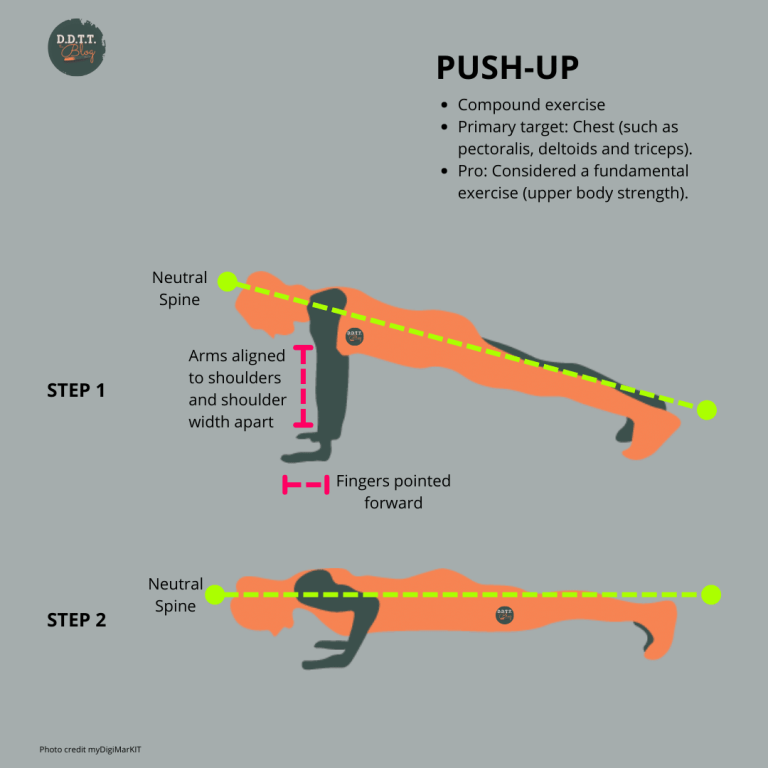
The finding isn’t complicated: walking about 14 steps per minute faster than your normal pace — aiming for roughly 100 steps per minute total — produced meaningful improvements in physical function for older adults dealing with frailty. Not dramatic athleticism. Not a gym programme. Just walking with a bit more intention.
What Frailty Actually Means
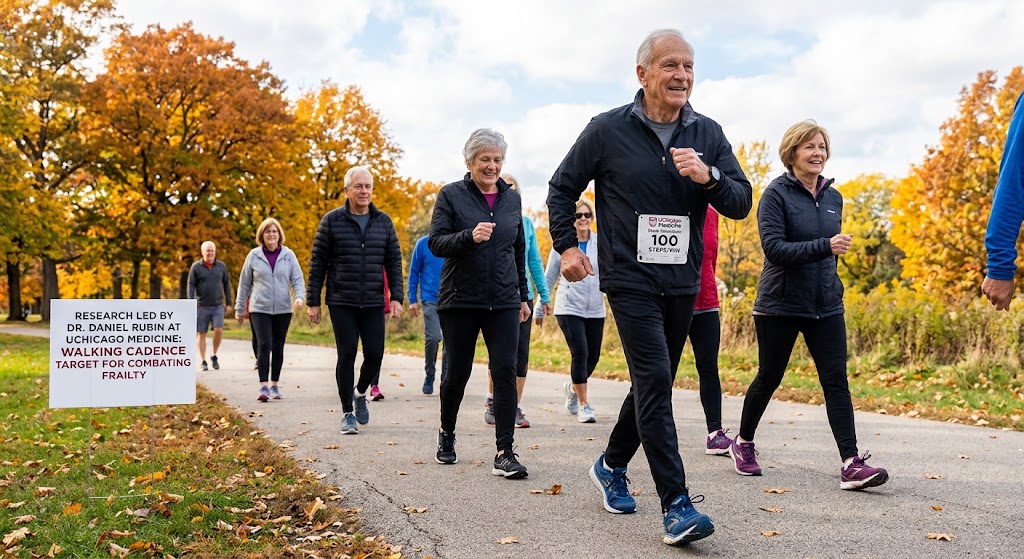
The word frailty gets used loosely, but in a clinical context it has a specific meaning. It describes a state of reduced physical reserve — where the body’s ability to cope with everyday demands has diminished to the point where ordinary activities become genuinely difficult.
Someone experiencing frailty might find that a trip to the supermarket leaves them exhausted. Carrying groceries upstairs feels disproportionately hard. Recovery from minor illness takes much longer than it used to. Falls become a real and recurring risk.
The signs that clinicians look for include slow walking speed, muscle weakness, persistent fatigue, unintentional weight loss, and significantly reduced activity levels. These don’t all have to be present — even two or three of them together indicate elevated risk.
What makes frailty particularly worth addressing is that it’s not simply an inevitable feature of aging. It’s often driven by inactivity — and that means it can, to a meaningful degree, be reversed or slowed through movement. The body responds to physical demands at any age. The question is what kind of demands, and how much.
The Study and What It Found
Dr. Daniel Rubin is an anaesthesiologist at UChicago Medicine who works with older patients preparing for surgery. Part of his clinical interest is in finding objective, measurable ways to assess how fit a patient actually is — beyond questionnaires and self-reporting, which can be unreliable.
His team looked at older adults in structured walking programmes, comparing two groups. One group walked at a pace they found comfortable. The other was encouraged to walk as fast as they safely could.
The difference was clear. People who increased their pace by at least 14 steps per minute walked significantly farther in endurance tests without tiring as quickly. Their physical function improved in ways that translated directly to daily life.
Dr. Rubin described it plainly: “People who haven’t experienced frailty can’t imagine how big a difference it makes to be able to not get tired going to the grocery store.” That’s not an abstract health metric — that’s the difference between independence and dependence. Between living the life you want and needing help with things you used to take for granted.
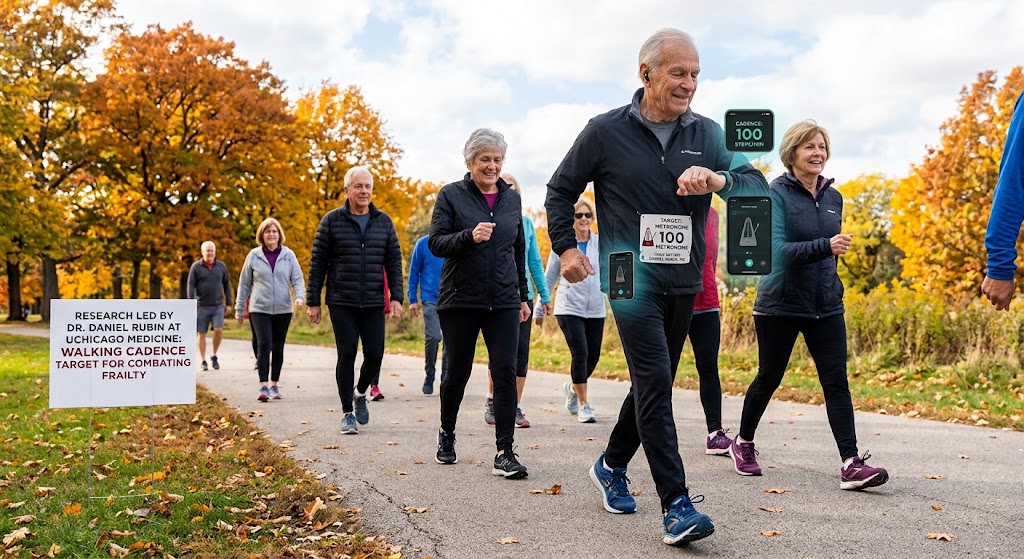
The target of 100 steps per minute isn’t arbitrary. It’s a brisk but achievable pace for most older adults — not a jog, not a race. Just walking with more purpose than a casual stroll.
Why the Old Advice Falls Short
The “talk test” — walk fast enough that you can talk but not sing — has been a standard piece of exercise guidance for years. It has the virtue of being simple and requiring no equipment. But it’s also vague, inconsistent, and impossible to track over time.
What Dr. Rubin’s work offers instead is something concrete. Steps per minute is a number. You can measure it, track it, and gradually increase it. That objectivity matters, especially for older adults who are working to rebuild fitness after a period of illness or inactivity and need something more reliable than a rough subjective check.
It also shifts the goal from effort level — which is inherently subjective — to pace, which is external and measurable. For many people, this kind of specific target is both more motivating and more useful.
How to Actually Use This
The practical application of this research is genuinely simple, which is part of what makes it valuable.
Find your baseline first. Before trying to increase your pace, establish what your normal walking cadence actually is. A smartphone pedometer app or smartwatch can measure steps per minute reasonably well. Spend a few minutes walking at your usual pace and get a sense of your number.
Add 14 steps per minute gradually. This doesn’t mean jumping to 100 steps per minute on day one if you’re currently walking at 70. Increase by a few steps per minute over several weeks, letting your body adapt before pushing further. The goal is a sustainable new normal, not a short-term effort.
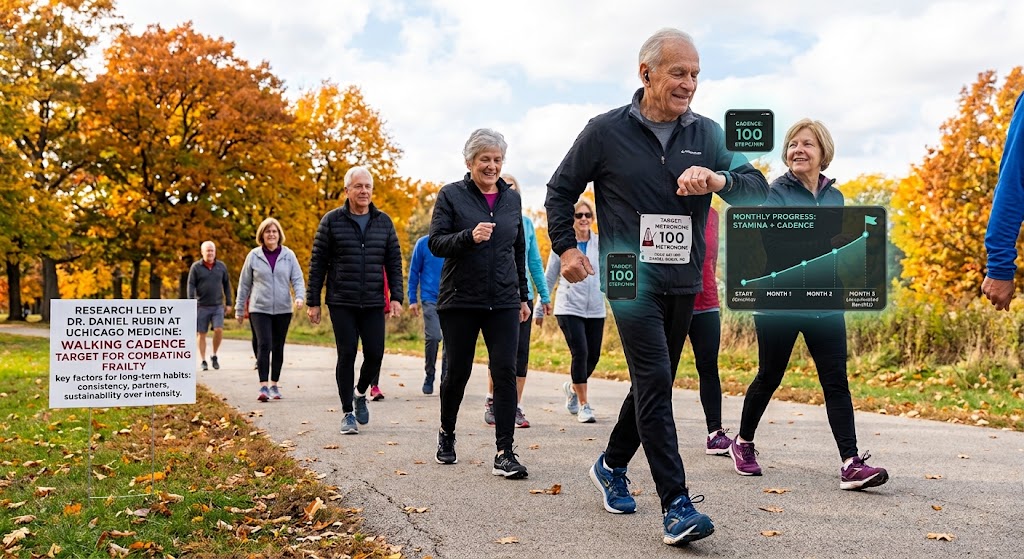
Use a metronome app. Free metronome apps — there are several available for both iOS and Android — let you set a steady beat to match your target cadence. Walking to a rhythm removes the cognitive effort of counting and makes it easier to maintain pace consistently. Dr. Rubin specifically recommends this approach.
Make it regular. The study observed benefits over months, not days. Consistency is far more important than intensity. A 20 to 30 minute walk at a brisk cadence several times a week will produce better results than occasional longer efforts.
Walk as fast as safely possible. That phrase from the study is important. The goal is to challenge yourself meaningfully — not to shuffle along at a pace that doesn’t ask anything of your cardiovascular system, but also not to move so fast that you risk falling or overexerting. For most people, 100 steps per minute sits comfortably in that zone.
What This Doesn’t Replace
Walking more briskly is not a medical treatment. It won’t address underlying conditions that contribute to frailty. Significant muscle loss, nutritional deficiencies, chronic illness, medication side effects, and other factors all play a role in how older adults age physically — and some of those require clinical management.
What the research shows is that increased walking cadence is a meaningful, accessible, evidence-backed addition to how older adults maintain their physical function. For people who are able to walk independently and are looking for a practical way to push back against the physical decline that often accompanies ageing, this is one of the more concrete and immediately actionable pieces of guidance available.
Conclusion
There’s something both simple and significant about this research. The finding — walk 14 steps per minute faster than usual — is specific enough to act on, accessible enough for most people to try without specialist help, and meaningful enough to affect daily independence in real ways.
The difference between being able to walk to the shops without exhaustion and not being able to do that is enormous for quality of life. It affects confidence, mental health, social connection, and the basic sense of being able to manage your own life.
A slightly brisker walk won’t solve everything. But for older adults who are mobile and looking for something practical to do about maintaining their physical function — or for family members trying to support an older parent — this is research worth knowing about. It costs nothing. It requires no equipment you don’t already have. And the evidence says it works.
Disclaimer
This article is for general informational and educational purposes only and does not constitute medical advice, diagnosis, or treatment. The research referenced reflects findings from a specific study and may not apply equally to all individuals. Older adults — particularly those with cardiovascular conditions, joint problems, balance issues, a history of falls, or any other health concerns — should consult a qualified healthcare provider before increasing the intensity of their walking routine. The target of 100 steps per minute is a general guideline from the referenced research, not a universal prescription. Always prioritise safety over pace. If you experience pain, breathlessness, dizziness, or discomfort during exercise, stop and seek medical advice.
FAQ
Sources

Health & Wellness Writer | Research-Informed Health Content Creator
A.K.M. Monjurul Hoque is a health and wellness writer specializing in health, beauty, fitness, nutrition and healthy living. His content is informed by health journals, books, seminars, training programs, and discussions with experienced healthcare professionals. He writes clear, practical and research-informed articles for general education and encourages readers to seek personalized advice from qualified medical professionals.